ترك رسالة
إذا كنت مهتمًا بمنتجاتنا وترغب في معرفة المزيد من التفاصيل، يرجى ترك رسالة هنا، وسنرد عليك في أقرب وقت ممكن.

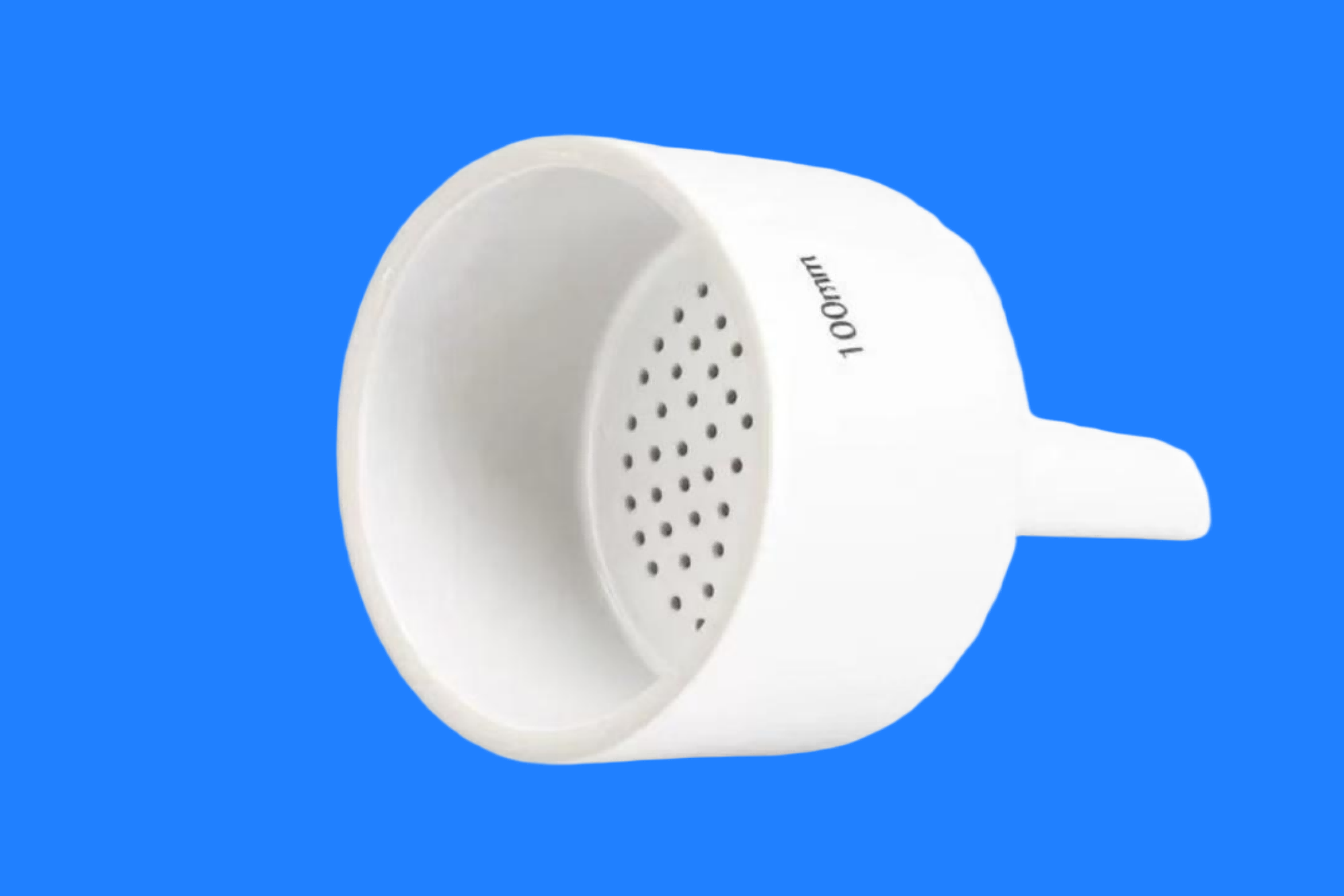
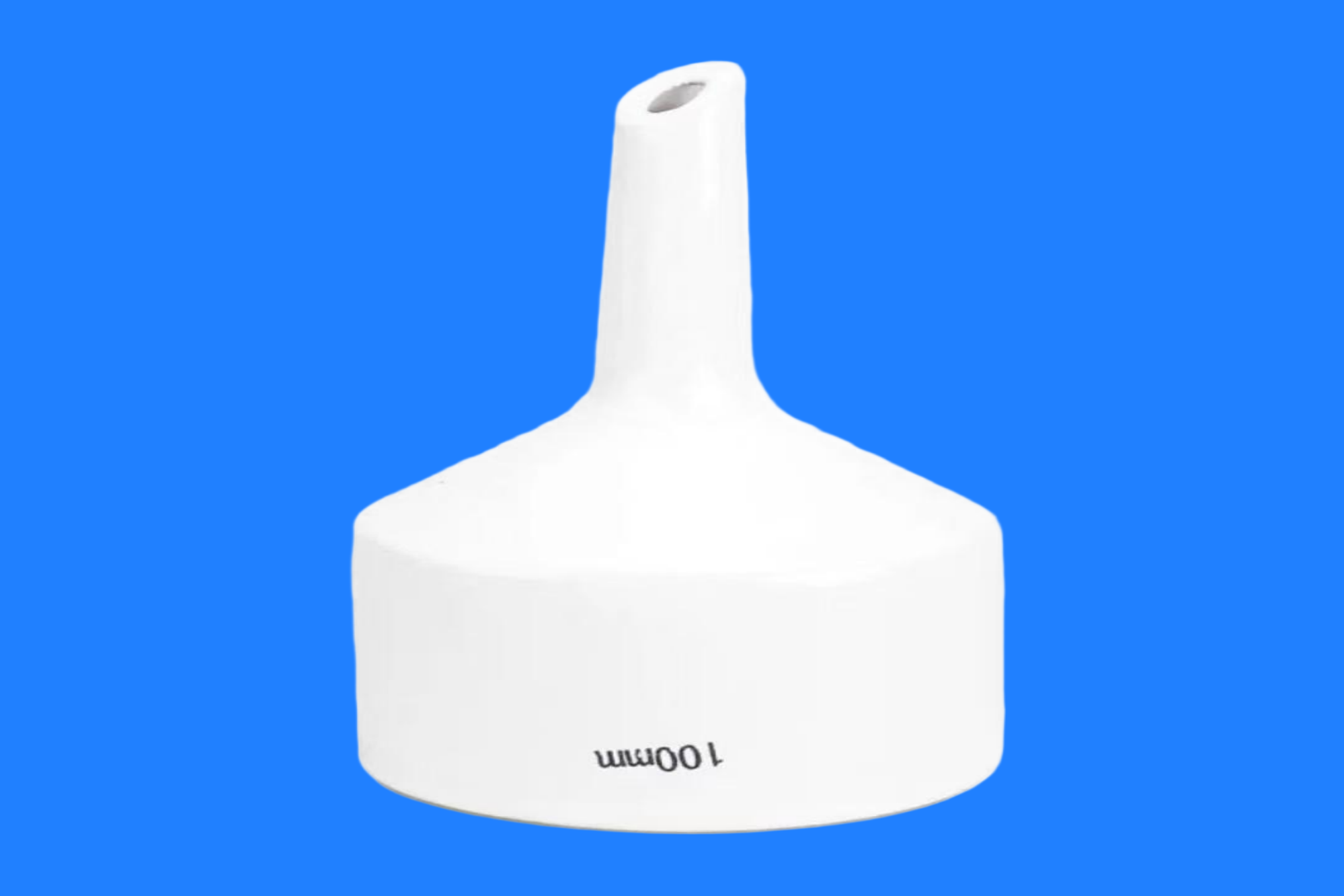
السيراميك قمع بوخنر iقمع بوشنر هو أداة مخبرية كلاسيكية للترشيح بالتفريغ، اخترعها الكيميائي الألماني إرنست بوشنر. يحقق هذا القمع فصلًا سريعًا بين المواد الصلبة والسائلة عن طريق الشفط بالتفريغ، ويُستخدم على نطاق واسع في مجالات مثل التحليل الكيميائي، والبحث والتطوير الصيدلاني، والرصد البيئي، والتجارب التعليمية. بالمقارنة مع الترشيح التقليدي بالجاذبية، يُحسّن قمع بوشنر سرعة الترشيح وكفاءة الفصل بشكل ملحوظ، مما يجعله قطعة أساسية لا غنى عنها في المختبرات الحديثة.
مصنع صيني لقمع بوخنر الخزفي عالي النقاء من أكسيد الألومنيوم (Al₂O₃)
وصف المنتج
Al₂O₃ مرشح بوخنر تتوفر هذه الأقماع بنوعين من المواد: الخزف القياسي المستخدم في المختبرات، والألومينا عالية النقاء بنسبة 95%، وتأتي بأقطار متنوعة تتراوح من 60 مم إلى 300 مم. تتميز بلوحة ترشيح مسامية مصبوبة بشكل متكامل، ومطلية بالكامل من الداخل والخارج. جسمها الخزفي مقاوم للأحماض والقلويات، وغير منفذ للماء، ولا يتسرب منه أي شوائب قد تلوث المُرشَّح. ثقوب الترشيح موزعة بالتساوي، مما يثبت ورق الترشيح بإحكام ويمنع تسرب المواد. يوفر النوع المصنوع من الألومينا بنسبة 95% قوة فائقة، ومقاومة للتآكل، وتحملاً لدرجات الحرارة العالية، مما يلبي متطلبات ترشيح المواد عالية النقاء. بفضل أبعادها القياسية، تُحكم هذه الأقماع إغلاقها مع قوارير الترشيح الفراغي التقليدية؛ وهي متينة وقوية، ومناسبة للاستخدام المتكرر طويل الأمد.
هيكل المنتج
السيراميك قمع الترشيح يتميز بتصميم متكامل ويتكون بشكل أساسي من المكونات التالية:
ميزات المنتج
1. مادة سيراميك عالية الجودة
مصنوعة من طين خزفي عالي النقاء يُحرق في درجات حرارة عالية، تتميز هذه المادة بخمولها الكيميائي ومقاومتها للتآكل الناتج عن الأحماض والقلويات. وهي لا تتفاعل مع الغالبية العظمى من الكواشف الكيميائية، مما يضمن نقاء العينة ودقة التجربة.
2. استقرار حراري ممتاز
بفضل قدرته على تحمل تقلبات درجات الحرارة الكبيرة، يُعد هذا المنتج مناسبًا لعمليات الترشيح التي تتطلب التسخين أو التبريد. كما يتميز بمقاومة عالية للصدمات الحرارية، ومن غير المرجح أن يتشقق نتيجة للتغيرات المفاجئة في درجات الحرارة.
3. قوة ميكانيكية عالية
يضمن الهيكل الخزفي المتين عمرًا طويلًا؛ فهو لا يتشوه أو ينهار في ظروف الفراغ. صُمم للاستخدام المتكرر، مما يوفر عمرًا تشغيليًا طويلًا.
4. سطح مصقول أملس وسهل التنظيف
يتميز كل من السطحين الداخلي والخارجي بطبقة زجاجية ناعمة وكثيفة تقاوم التصاق الملوثات وتسهل التنظيف. كما أنه يتحمل التعقيم بدرجات حرارة عالية، مما يفي بمتطلبات التجارب المعقمة.
5. تصميم لوحة مثقبة متكاملة
تضمن الصفيحة المثقبة المتكاملة توزيعًا متساويًا للضغط على ورق الترشيح، مما يمنع التمزق أو الإزاحة أثناء الترشيح، وبالتالي تعزيز كفاءة الترشيح ومعدلات استعادة المواد الصلبة.
المواصفات الفنية
| المعلمة | تحديد |
| مادة | سيراميك عالي النقاء (بورسلين) |
| بناء | قمع أسطواني + صفيحة مثقبة ثابتة + مخرج أنبوب مستقيم |
| مواصفات التجويف | 40 مم / 60 مم / 80 مم / 100 مم / 120 مم / 150 مم / 200 مم / 250 مم / 300 مم |
| معالجة السطح | مطلي من الداخل والخارج (باستثناء الحافة) |
| طريقة التصفية | الترشيح بالتفريغ |
| المعدات المساعدة | ورق ترشيح قياسي + قارورة ترشيح بالتفريغ + مضخة تفريغ |
دليل اختيار الحجم: 60-120 مم مناسب للتجارب التعليمية الروتينية وترشيح العينات ذات الأحجام الصغيرة إلى المتوسطة؛ 150-200 مم مناسب لتجارب البحث متوسطة الحجم؛ 250-300 مم مناسب للترشيح الصناعي المستمر ذي الحجم الكبير.
سيناريوهات التطبيق النموذجية
تعليمات
1. تحضير ورق الترشيح: قص قطعة دائرية من ورق الترشيح بقطر أصغر قليلاً من القطر الداخلي للقمع.
2. تركيب ورق الترشيح: ضع ورق الترشيح بشكل مسطح على اللوحة المثقبة وقم بترطيبه بكمية صغيرة من المذيب حتى يلتصق بإحكام.
3. تجميع الجهاز: أدخل القمع في عنق قارورة الترشيح الفراغي، وأغلقه بسدادة مطاطية، وقم بتوصيل المنفذ الجانبي بمضخة تفريغ.
4. صب العينة: قم بتشغيل مضخة التفريغ واسكب الخليط المراد ترشيحه ببطء في القمع.
5. جمع المادة الصلبة: يتم سحب السائل إلى دورق الترشيح، بينما تبقى المادة الصلبة على ورق الترشيح.
6. غسل البلورات: إذا لزم الغسل، اشطف سطح المادة الصلبة بكمية صغيرة من المذيب النقي بعد اكتمال الترشيح.
احتياطات
التعبئة والطلب
| عيار | كمية العبوة | السيناريوهات القابلة للتطبيق |
| 40 مم | 200 قطعة/كرتونة | التحليل الدقيق، والعروض التوضيحية التعليمية |
| 60-80 ملم | 60-72 قطعة/كرتونة | الترشيح الروتيني في المختبر |
| 100-120 ملم | 24-32 قطعة/كرتونة | تجربة بحثية متوسطة الحجم |
| 150-200 ملم | 4-12 قطعة/كرتونة | معالجة العينات ذات الحجم الكبير |
| 250-300 مم | قطعتان/كرتونة | ترشيح مستمر من الدرجة الصناعية |
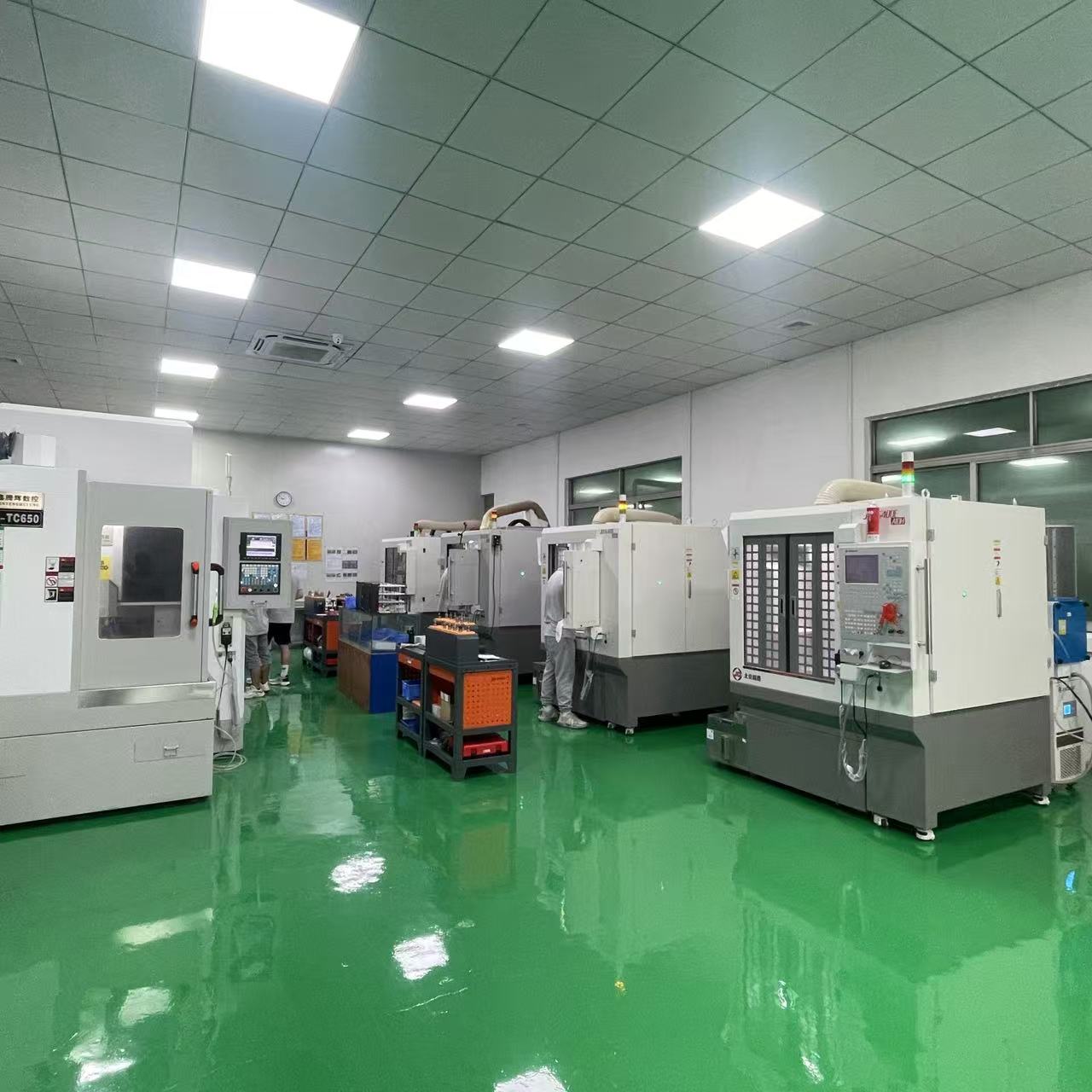
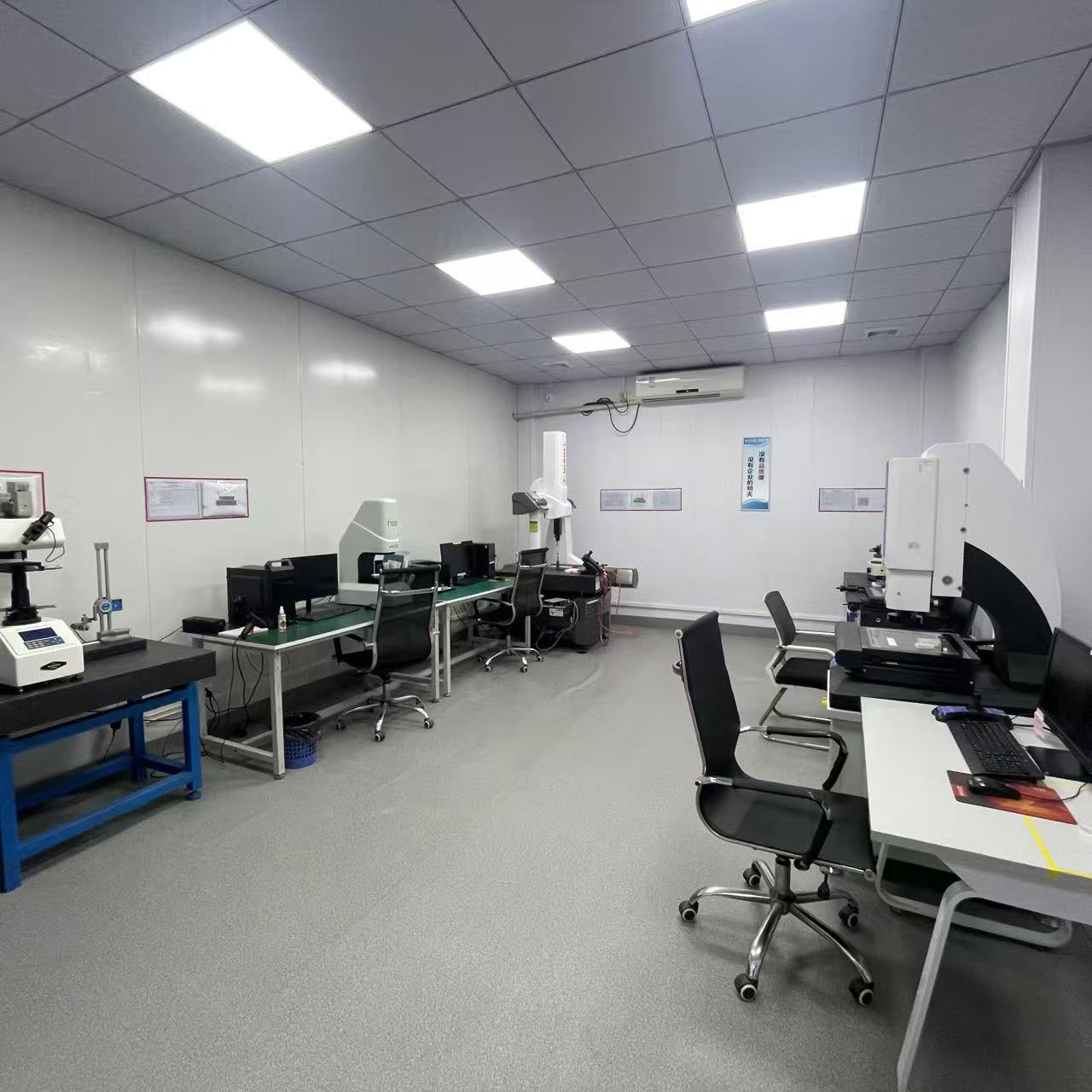
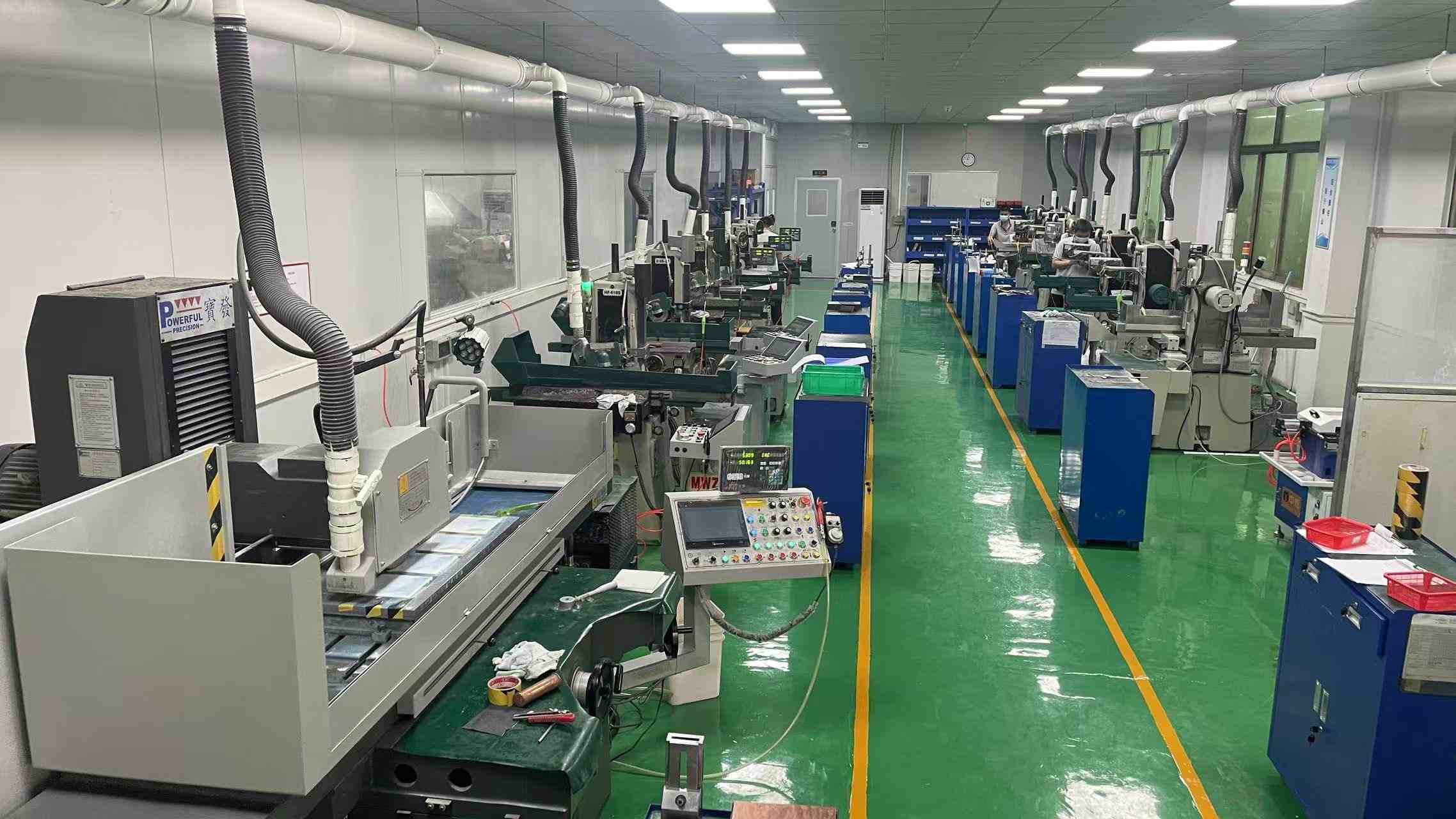
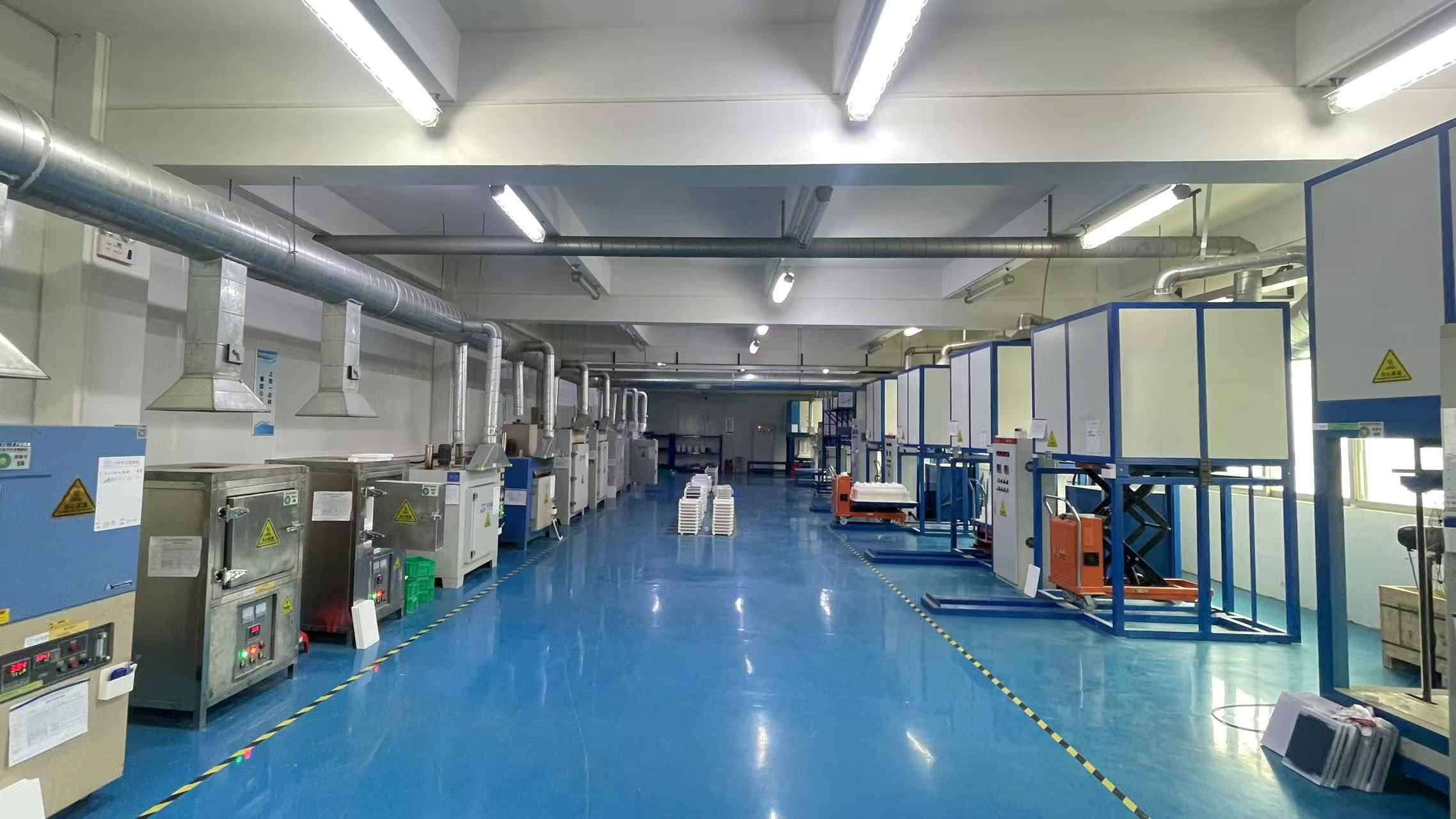
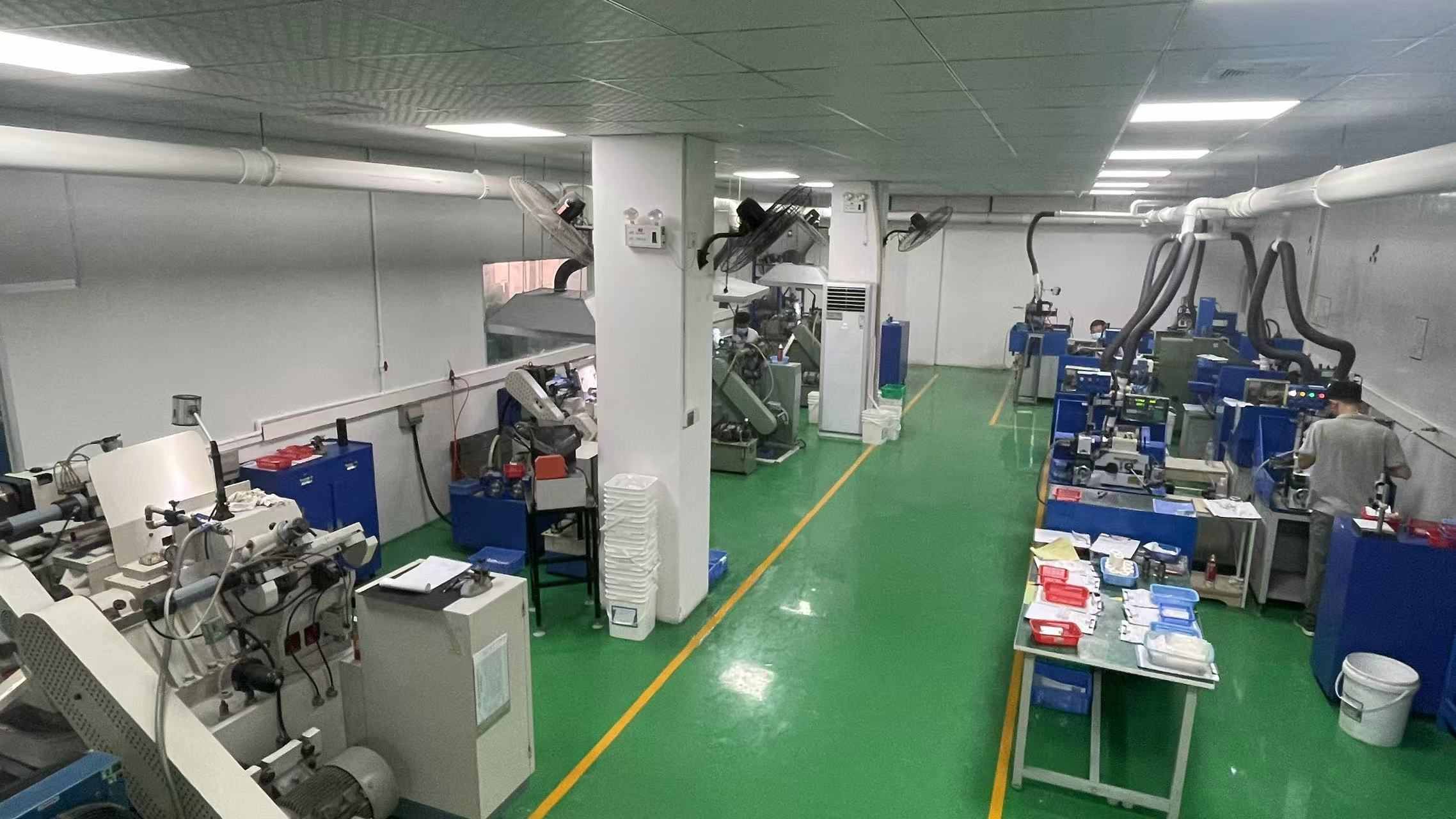
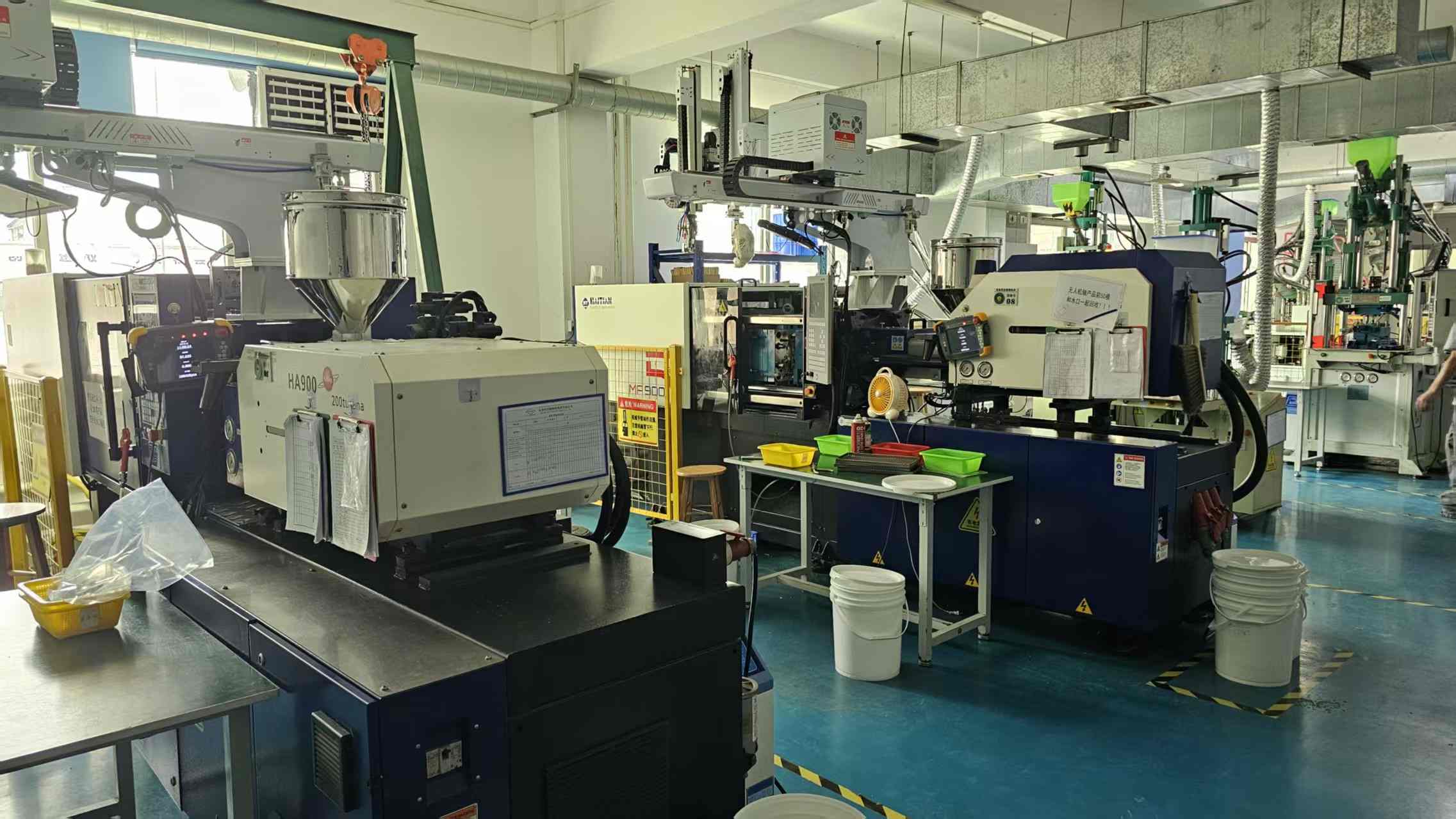
ورشة عملنا
ورشة عمل CNC |
غرفة الاختبار |
ورشة تجليخ الأسطح |
ورشة التلبيد |
ورشة طحن دائرية |
ورشة ماكينات قولبة الحقن |
لماذا تختارنا؟
1. البحث والتطوير المخصص، بدلاً من تكييف المنتج القياسي
2. التحكم العميق في علم المواد: اختيار المواد بناءً على الاحتياجات، وتحسين البنية المجهرية، وتناسق الدفعات
3. قدرة التصنيع الدقيق: يمكن أن تصل درجة التسطيح إلى 0.001 مم، والتوازي إلى 0.002 مم، والخشونة Ra إلى 0.1 ميكرومتر.
التعليمات
س1: ما هي المنتجات التي تقدمها شركتكم؟
نحن متخصصون في السيراميك عالي الأداء مثل الألومينا ونيتريد السيليكون، ونوفر مواد عازلة ومكونات هيكلية وأجزاء مقاومة للتآكل وحلولاً مخصصة.
س2: هل يمكنك تخصيص الأجزاء غير القياسية؟
نعم. نحن ندعم المعالجة بناءً على الرسومات المقدمة والتطوير التقني التعاوني، ونقدم خدمة عملية كاملة من التصميم إلى الإنتاج الضخم.
س3: ماذا عن الدقة ووقت التسليم؟
التفاوت القياسي ±0.05 مم، درجة الدقة ±0.01 مم؛ العينات من 7 إلى 15 يومًا، الطلبات بالجملة من 20 إلى 30 يومًا.
س4: ما هي مجالات التطبيق الرئيسية؟
صناعات الطاقة والإلكترونيات والآلات والكيماويات والفضاء.
س5: ما هي إجراءات ضمان الجودة؟
فحص الجودة الشامل للعملية، وتقديم تقارير المواد وبيانات اختبار الأداء، ودعم شهادات واختبارات الجهات الخارجية.
س6: هل تقدمون الدعم الفني؟
نقدم دعماً احترافياً يشمل استشارات اختيار المواد، وتحسين التصميم، وتحليل الأعطال.



 IPv6 الشبكة المدعومة
ترك رسالة
امسح ضوئيًا إلى WeChat :

امسح ضوئيًا إلى واتساب :